Streams Won't Pay Your Rent: How Smart Artists Are Getting Paid Everywhere Else
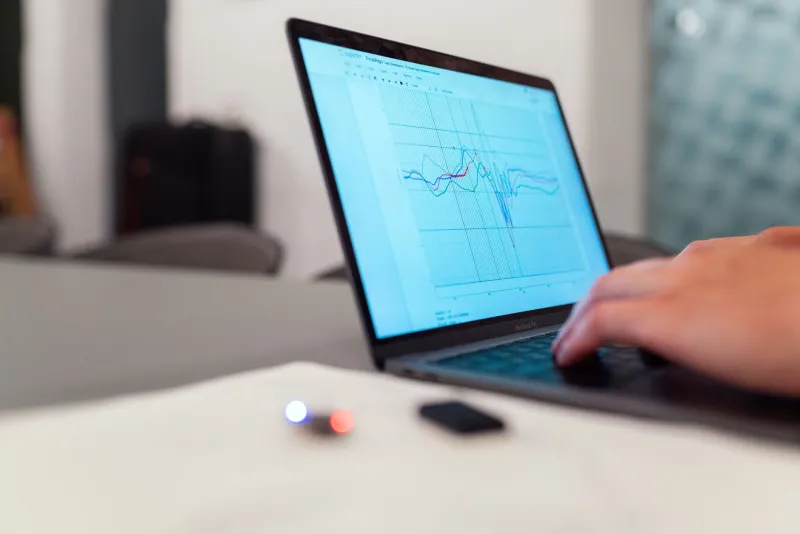
Let's be honest about something the music industry doesn't love to advertise: a million streams on Spotify will net you somewhere between $3,000 and $5,000, depending on the day, the mood, and which way the algorithm is blowing. Split that with a producer, a manager, and maybe a label, and you're looking at a check that won't cover two months of rent in most major US cities. The math has never really worked — and the artists who are actually thriving in 2024 figured that out a long time ago.
The shift didn't happen overnight. But somewhere between the pandemic killing live shows and TikTok turning every bedroom into a storefront, musicians started treating their music catalog less like a revenue engine and more like a marketing tool. The real money? It's coming from everywhere else.
Merch Isn't a Side Hustle Anymore — It's the Main Event
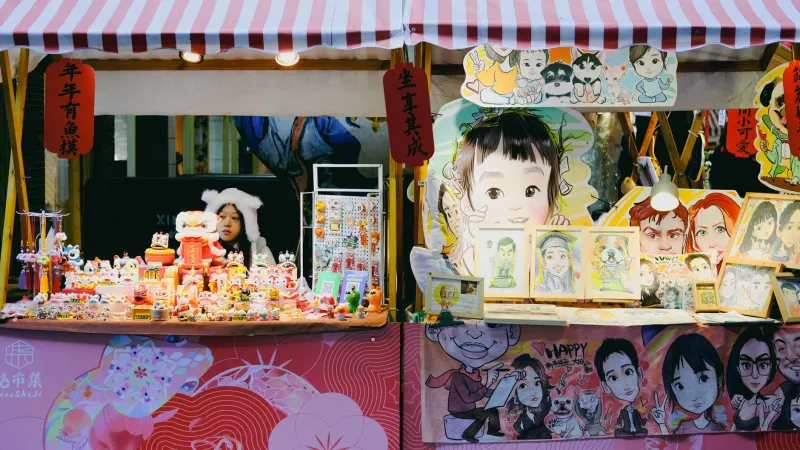
Walk through any mid-sized music festival in the US right now and pay attention to the merch lines. They're longer than the bathroom lines, and people are spending real money. A quality hoodie from an artist with a dedicated fanbase can move for $65, $80, even $120 — and unlike a stream, the artist keeps a significant chunk of that sale.
Take someone like Russ, who built his entire career on independence and has been vocal about the economics behind it. Or look at how artists like Billie Eilish turned their aesthetic into a full merchandise universe — not just t-shirts, but limited drops, collabs with streetwear brands, and items that feel like cultural artifacts rather than concert souvenirs. The merch is the brand. The music is what makes you care about the brand.
For independent artists without major label backing, this model is genuinely accessible in a way it wasn't ten years ago. Platforms like Printful, Spring, and Shopify make it possible to launch a merch line without holding inventory. The barrier to entry is low. The ceiling, if you build the right audience, is surprisingly high.
Exclusive Content and the Value of the Inner Circle
Streaming platforms democratized music access, which is great for listeners and brutal for artist income. The response from smart creators has been to build a tiered world — where the free stuff lives on Spotify and YouTube, but the real stuff costs a little something.
Patreon changed the conversation here. Artists offering early access to tracks, behind-the-scenes studio content, personal voice messages, and exclusive live sessions are pulling in consistent monthly income from their most dedicated fans. It's not glamorous, but a thousand fans paying $10 a month is $120,000 a year — before a single stream, show, or brand deal. That's a livable creative career for most independent musicians in the US.
Substack has entered the picture too, with artists writing newsletters that double as community-building tools and revenue streams. It sounds old-school, but it works precisely because it's intimate. In an era of algorithmic noise, a direct line to a fan's inbox is worth more than a playlist placement.
Brand Partnerships: The New Label Deal
The brand deal used to feel like selling out. Now it's just called business.
The shift in perception happened gradually, then all at once. When artists like Lil Nas X partnered with brands like Taco Bell and turned those deals into cultural moments rather than awkward commercial interruptions, it reframed what a brand partnership could look like. It wasn't compromise — it was creative extension.
For emerging artists, brand alignment is increasingly a first-year strategy rather than a ten-years-in reward. A clothing brand, a beverage company, a tech product — if the audience overlap makes sense and the creative execution feels authentic, a well-placed partnership can fund an entire recording project. Some artists are even structuring these deals to include creative input on campaigns, turning a sponsorship into a co-creation.
The key word is alignment. Audiences can smell a cash grab from three scroll-lengths away. The partnerships that land are the ones that feel like they could have happened organically — where the artist's aesthetic and the brand's identity genuinely share DNA.
What Independent Artists Can Actually Do Right Now
None of this requires a major label, a massive following, or a team of ten. Here's where to start:
Build the merch before you think you're big enough. Waiting until you have 100,000 followers to launch a merch line means leaving money on the table with the 5,000 people who already love you. Start small, start intentional, and treat every item as a creative statement.
Create something worth paying for beyond the music. Think about what your fans actually want access to — your process, your personality, your world. Then put a price on the premium version of that access.
Be strategic about who you align with. One well-matched brand deal will do more for your career than five awkward ones. Research brands that are already showing up in your fan community and pitch them with a clear, specific idea.
Treat your music like marketing. This is the mindset flip that changes everything. Every release builds the audience. The audience buys the merch, subscribes to the Patreon, and shows up for the brand collab. The music is the reason they care — but it doesn't have to be the thing that pays your bills.
The artists who are eating right now aren't the ones with the most streams. They're the ones who figured out how to turn attention into income across multiple channels — and they're not waiting for anyone's permission to do it.