Stop Hoping and Start Calculating: How Smart Artists Are Winning the Algorithm Game
Let's be honest for a second. There are incredibly talented musicians sitting on hard drives full of unreleased music, wondering why nobody's listening. And then there are artists with half the technical skill who are racking up millions of streams, landing playlist placements, and building real fanbases. The difference isn't always the music. Sometimes — a lot of the time, actually — it's the strategy.
The algorithm doesn't owe you anything. It doesn't care how long you spent in the studio or how many years you paid dues playing small venues. What it does care about is engagement signals, listener behavior, and consistency patterns. And once you understand that, the whole game starts to look a little different.
Timing Is a Tactic, Not an Afterthought
One of the biggest mistakes independent artists make is dropping music whenever it's ready. That's an emotional decision, not a strategic one. The artists who consistently grow their numbers treat release timing like a business variable.
Spotify's own data has shown that releases early in the week — particularly Fridays, which align with their New Music Friday cycle — give tracks the best shot at algorithmic pickup. But it goes deeper than just picking a day. Artists who study their Spotify for Artists dashboard are looking at when their existing listeners are most active, which time zones they're in, and what playlists are already sending traffic their way.
Independent R&B artist Ari Lennox has spoken openly about how her team analyzes listener geography and engagement windows before scheduling drops. That kind of intentionality isn't luck — it's homework.
The Playlist Positioning Play
Everybody knows playlists matter. But not everyone understands which playlists matter most, and why the mid-tier ones might actually be your best bet right now.
Here's what a lot of artists miss: landing on a massive editorial playlist sounds great, but the listener-to-save ratio is often lower because those playlists reach such a broad, passive audience. Algorithmic playlists like Discover Weekly and Release Radar, on the other hand, are triggered by engagement — saves, replays, shares — and they push music to listeners who are already likely to connect with it.
The smart move? Focus on getting saves. Not just streams, saves. A save tells Spotify's algorithm that a listener wants to come back to your music. That signal is worth more than a passive play from someone who left it on in the background. Artists like Cautious Clay have talked about this philosophy — releasing music with a specific call to action encouraging fans to save the track, not just stream it.
Another angle: smaller, genre-specific editorial playlists often have higher engagement rates than the mega-lists. Getting on a focused playlist with 80,000 followers who actually care about that sound can outperform a brief appearance on a list with 3 million passive followers.
Analytics Aren't Just for Tech Bros
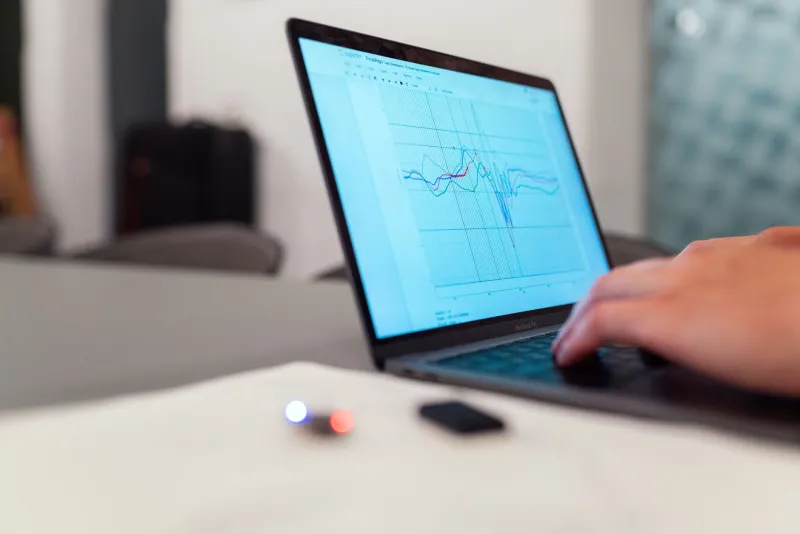
The tools are out there, and they're free. Spotify for Artists, Apple Music for Artists, and YouTube Studio all give you access to listener data that would have cost a label thousands of dollars to gather a decade ago. The artists using this information to make decisions are quietly separating themselves from the ones still guessing.
What should you actually be looking at? A few things:
- Listener retention on tracks. If people are dropping off at the 45-second mark, your intro might be too long. Algorithms notice skip rates.
- Geographic hotspots. If you're randomly popping off in Atlanta or Houston, that's a signal — maybe that's where your next promo push should focus, or where you should be looking for features.
- Source of streams. Are your plays coming from playlists, artist pages, or algorithmic sources? Each tells a different story about where your audience is finding you.
Distrokid, TuneCore, and DistroKid all offer varying levels of analytics access depending on your tier. Third-party tools like Chartmetric and Soundcharts take it even further, tracking playlist adds, social mentions, and audience growth across platforms in real time. These aren't luxury tools anymore — they're becoming standard gear for any artist serious about their career.
Consistency Beats Virality (Almost Every Time)
The algorithm rewards artists who give it something to work with regularly. One song every eight months, no matter how good it is, isn't a strategy — it's a prayer. The artists who are seeing compounding growth are the ones releasing consistently and keeping their audience engaged between drops.
This doesn't mean flooding the market with half-finished music. It means being intentional about frequency. Some artists do this through singles, others through visual content, behind-the-scenes clips, or even lo-fi demos. The goal is to stay in your listeners' feeds and keep feeding the algorithm data points that say: this artist is active, people engage with them, keep showing them.
Bozoma Saint John, one of the sharpest marketing minds in the entertainment space, has pointed out that the artists who treat their releases like campaigns — with pre-save links, teaser content, and follow-up engagement — consistently outperform those who just upload and wait.
The Long Game Nobody Talks About
Here's the part that doesn't get enough credit: algorithmic momentum builds over time. The artists who started treating their data seriously two or three years ago are now sitting on audiences that continue to grow on autopilot. Their older tracks keep getting discovered because the algorithm has enough behavioral data to know exactly who to serve them to.
That's the real prize. Not one viral moment, but a catalog that keeps working for you — a machine you built out of smart decisions, consistent output, and a willingness to learn what the numbers are actually saying.
Talent is the foundation. Always. But in 2024, talent without strategy is just potential. And potential doesn't pay the bills.