We're All Watching the Story Now: How Fans Fell in Love With the Artist, Not Just the Music
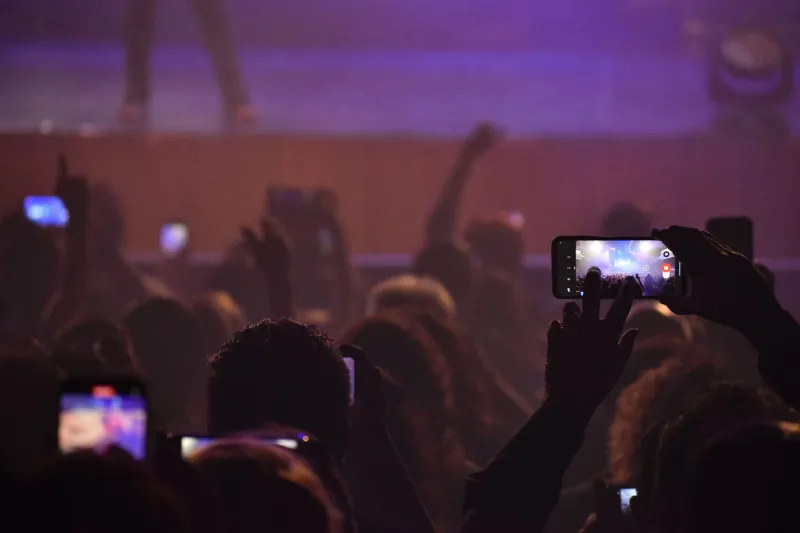
Think about the last time you really got into an artist. Not just played their album on repeat, but got into them. You probably watched interviews on YouTube at 2 a.m. You followed the timeline of their relationship drama. You read the Reddit threads dissecting their lyrics for autobiographical clues. You felt some kind of way when they posted a cryptic caption after a rough week.
That experience — that feeling of being genuinely invested in someone's story, not just their output — is now a core part of what it means to be a music fan in America in 2024. And it's reshaping everything about how artists build careers, how they communicate, and what they're expected to sacrifice to stay relevant.
The Album Isn't the Product Anymore
There was a time when the music was the whole relationship. You bought the record, you listened, maybe you bought a concert ticket if they came to your city. The artist existed in a separate world, and that distance was part of the mystique.
That mystique is largely gone — and fans are the ones who dismantled it. The demand for access, for realness, for behind the curtain content has been so consistent and so loud that artists who don't feed it risk being labeled cold, out of touch, or worse, fake.
What replaced the album-as-everything model is something closer to a serialized narrative. Fans don't just consume music anymore — they follow arcs. They track where an artist was emotionally three years ago versus where they are now. They notice when the sound shifts and connect it to a breakup or a move or a falling out with a collaborator. The music becomes evidence in an ongoing story that fans are actively piecing together.
This is why album rollouts now include personal essays, therapy-speak Instagram captions, and carefully timed vulnerability. The music is still central, but it's surrounded by context — and that context is often as engaging as the songs themselves.
The Parasocial Bond Is Real (And It's Complicated)
Psychologists have a term for the one-sided emotional relationships people form with public figures: parasocial relationships. You feel like you know them. You root for them. You feel genuinely hurt when something bad happens to them. But they don't know you exist.
This isn't new — people felt this way about Elvis, about Prince, about Michael Jackson. But the scale and intensity of parasocial fandom in the social media era is something different. When an artist posts an unfiltered story about their anxiety, or shares a voice memo of themselves crying, or tweets something raw at midnight, the perceived distance between fan and artist collapses almost entirely.
For fans, this can feel beautiful. That sense of connection — of being let in — is genuinely meaningful to people. Fan communities built around shared investment in an artist's journey create real friendships, real support networks, real cultural moments. The Swifties, the BeyHive, the fandoms that have built entire ecosystems around their favorite artists aren't doing something hollow. They're building community around something they love.
But there's a shadow side to all of this that doesn't get talked about nearly enough.
The Cost of Living in the Spotlight
When your personal narrative becomes part of your brand, the line between what's yours and what's owed to your audience gets dangerously blurry.
Artists who have spoken openly about this — and more are doing so every year — describe a kind of relentless performance pressure that goes beyond stage fright. It's the pressure to always be in a documentable moment. To process grief publicly. To share the healing journey in real time. To respond to rumors quickly enough that the silence itself doesn't become a story.
Several high-profile artists have stepped back from social media entirely, citing mental health as the reason. Others have talked about the disorientation of not knowing where the persona ends and the person begins. When your fans love a version of you that you carefully constructed for public consumption, what happens when you don't feel like that version anymore?
There's also the feedback loop to consider. When artists share vulnerability and it performs well — gets the engagement, generates the think pieces, deepens the parasocial bond — there's an incentive to keep going. To share more. To be more raw. At some point, that stops being authentic self-expression and starts being a content strategy built around emotional labor. The distinction matters, even if the audience can't always see it.
The Fans Who Know They're In It
What's interesting — and maybe a little hopeful — is that a growing segment of fans are genuinely aware of the dynamic they're participating in. They use the language of parasocial relationships openly. They joke about "knowing" an artist while acknowledging they've never met them. They debate, in fan forums and Discord servers, about when an artist is oversharing versus being genuine.
This self-awareness doesn't necessarily reduce the emotional investment. If anything, it adds another layer to it. Fans are now engaging with the meta-narrative — the story of how the story is being told — alongside the actual content. That's a level of media literacy that would have seemed bizarre even fifteen years ago.
And artists are responding to it. Some are deliberately building in ambiguity, releasing music without context and letting fans construct their own interpretations. Others are leaning fully into the serialized model, treating each era of their career as a distinct chapter with its own aesthetic, emotional theme, and character arc.
Taylor Swift is the most obvious and well-documented example of this in mainstream pop, but the pattern shows up across genres — from SZA's emotionally excavated R&B to Kendrick Lamar's narrative rap, from Olivia Rodrigo's confessional songwriting to Tyler, the Creator's deliberate reinventions.
What This Means Going Forward
The artist-as-story model isn't going away. If anything, the tools to sustain it — short-form video, long-form documentary content, fan subscription platforms, direct messaging — are only getting more sophisticated.
The healthiest version of this, for everyone involved, probably looks like artists maintaining genuine control over what they share and why. Not performing vulnerability because the algorithm rewards it, but deciding intentionally what parts of their story belong to the public and what stays private. And fans extending some grace — remembering that the person behind the art is a person, not a character in a show they're entitled to watch.
The connection between fans and artists has always been part of what makes music matter. That's not the problem. The question is how to preserve the magic of that connection without burning out the people at the center of it.
The story's still going. How it ends depends on all of us.