Better Together: How Independent Artists Are Stacking Wins Through Collaboration
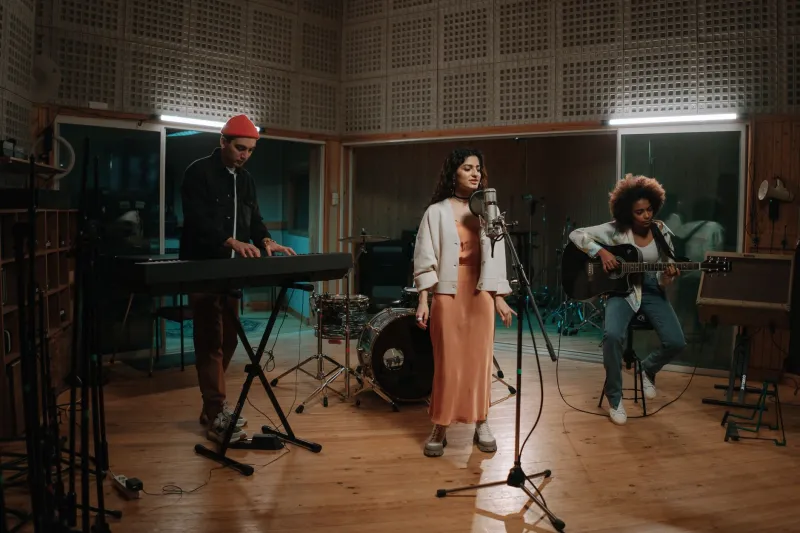
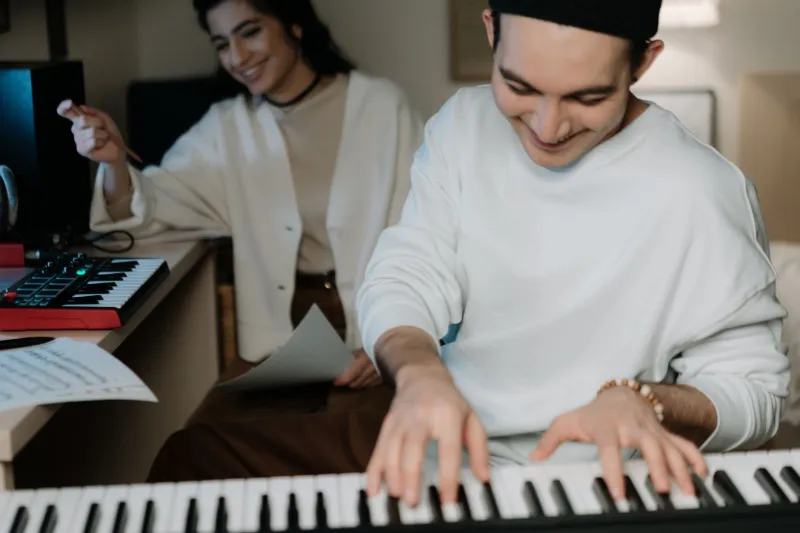
There's a certain romance to the idea of the lone artist — just a person, their instrument, and a dream. But in 2024, that image is starting to feel more like a myth than a model. The musicians actually moving the needle right now? They're not doing it alone. They're building teams, trading features, remixing each other's work, and creating entire ecosystems around their music. Welcome to the collab economy.
The Feature Game Has Changed
Features used to be a major label flex — you'd see a big-name artist on a track to boost streams and radio play. Now, indie artists are running the same playbook on a grassroots level, and it's working just as well.
When two artists with dedicated but different fanbases drop a song together, both sides of the aisle get exposed to something new. It's not just about the music, either. The promo cycle, the social content, the shared playlists — all of it compounds. One feature can mean thousands of new followers, a spike in monthly listeners, and a whole new segment of fans who weren't checking for you before.
Artists like Cordae, Ari Lennox, and Smino have all used strategic features to broaden their reach without compromising their sound. They're not chasing clout — they're building relationships that make sense for their brand and their audience. That's the key distinction.
Collectives Are the New Labels
If features are the handshake, artist collectives are the full partnership. Groups like Dreamville, SUGA (the collective, not the BTS member), and even more underground circles like Griselda have proven that artists operating as a unit can rival — and sometimes outperform — major label machines.
What makes a collective so powerful? Resources, for one. Production, mixing, visual direction, social strategy — when a group of artists pools their skills, everyone benefits without anyone having to give up creative control. There's also an energy that comes with a tight-knit crew. Fans don't just follow one artist; they follow the whole world.
Smaller collectives are forming all the time across cities like Atlanta, Chicago, Houston, and LA. Some are formal, with shared branding and joint releases. Others are looser — more like a circle of collaborators who constantly uplift each other. Either way, the mentality is the same: rising tides lift all boats.
Remix Culture Is a Revenue Stream, Not Just a Trend
Remixes have been part of music forever, but the way artists are using them now is genuinely strategic. A remix isn't just a new version of a song — it's a marketing event, a chance to tap into a different genre's fanbase, and a way to extend the life of a track that might otherwise fade.
Think about how many times you've heard a house remix of an R&B song blow up on TikTok, or an acoustic version of a rap track pull in a completely new crowd. Artists and their teams are engineering these moments intentionally. Drop the original, watch it land, then roll out a remix package that keeps the conversation going for another month.
For independent artists without massive promo budgets, this is gold. You don't need a PR firm if your remix drops and the internet does the talking for you.
Production Circles Are the Backbone
Behind every great artist collab, there's usually a producer — or a group of them — holding it all together. Production circles, where a tight group of beatmakers works across multiple artists and projects, have become one of the most quietly powerful forces in independent music.
When the same producer fingerprints are on five different artists' projects, it creates a sonic universe. Fans start to notice. They follow the sound, not just the name on the cover. This is how producers like Pi'erre Bourne built cult followings that rival those of the artists they work with.
For artists, being plugged into a strong production circle means access to consistent, high-quality music — without the wait times and price tags that come with booking big-name beatmakers.
Why This Model Actually Competes With Major Labels
Major labels have infrastructure, distribution deals, and marketing budgets that most independent artists can't touch. But what they don't always have is genuine community. And in the streaming age, community is currency.
When fans feel like they're part of a movement — like they discovered something real, something built by people who actually care about each other — they show up differently. They stream harder, they share more, they buy merch, they come to shows. That loyalty is hard to manufacture from a boardroom.
The collab economy gives independent artists a way to build that kind of loyalty organically. It takes longer, sure. But the foundation is sturdier. And when you own your masters and split your revenue with collaborators instead of handing it to a label, the math starts looking real good.
The Takeaway
The music industry has always rewarded talent, but right now it's also rewarding connection. The artists who understand that their network is part of their net worth are the ones building something that lasts. Features, collectives, remixes, production circles — these aren't just creative choices. They're business decisions. And the independent artists who get that are winning in ways that would've seemed impossible a decade ago.
At A Plus J, we're here for all of it. The music is better when people build together. Always has been.