Not Every Co-Sign Is a Come-Up: How to Pick Collaborators Who Actually Move the Needle

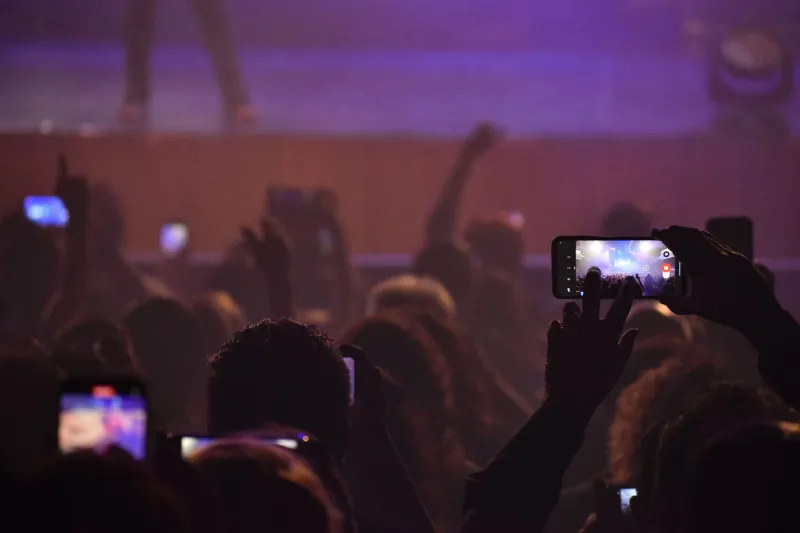
Photo by Photo by Marc Fanelli-Isla on Unsplash on Unsplash
Everybody loves a great collab story. Two artists link up, drop something undeniable, and both fan bases go crazy. It looks effortless from the outside. But for every Kendrick and SZA moment, there are ten situations where the feature did nothing — or worse, actively hurt someone's momentum. The music industry is full of those stories. They just don't get retweeted as much.
Here's the truth: collaboration is a tool, not a magic trick. And like any tool, it can do serious damage if you use it wrong.
The Hype Around the Hook-Up
Right now, the collab culture is at an all-time high. TikTok duets, Spotify joint playlists, Instagram Live sessions — artists are linking up in more ways than ever, and the pressure to co-sign and be co-signed is real. Emerging artists especially feel like every feature is a potential breakthrough. That urgency makes people sloppy.
The problem isn't collaboration itself. It's the assumption that any collab is better than no collab. That's just not how it works.
When you attach your name to someone else's, you're borrowing their equity — but you're also inheriting their baggage. Their controversies become your footnote. Their audience becomes your expectation. And if those things don't align with where you're trying to go, you've just made your path harder, not easier.
Red Flags You Should Never Ignore
So what does a bad collab partner actually look like? It's not always obvious. Sometimes the red flags are subtle — a vibe mismatch, a misaligned fan base, or a partner who's more interested in clout-chasing than creative chemistry.
Here are some warning signs worth taking seriously:
Their brand is in flux — or in freefall. If an artist is going through a public controversy, a label dispute, or a dramatic pivot in their image, jumping on a track with them can tie you to that mess. Timing matters. A collab with someone mid-scandal can bury the actual music.
Your audiences don't overlap or complement. A cross-genre collab can work beautifully — but only if there's a logical bridge. If your core listeners have zero reason to care about the other artist's world, you're not expanding reach. You're just confusing people.
The creative vision is one-sided. If you're getting brought in to add flavor to their project without any real creative input or mutual promotion, that's a feature, not a partnership. Features have their place, but don't mistake them for a strategic alliance.
Their engagement doesn't match their following. In 2024, follower counts mean less than ever. An artist with 800K followers and 0.3% engagement on their posts isn't going to drive traffic your way. Look at comments, saves, shares — the stuff that actually signals a real, active audience.
Real Talk: When Collabs Went Wrong
We've seen it play out publicly. When an established artist pivots hard stylistically and drags a newer collaborator along for the ride, the newer artist often gets lost in the confusion. Fans of the established act aren't sure what to make of the new direction, and the emerging artist doesn't gain new listeners because there's no clear narrative about why they belong in that space.
There's also the loyalty trap — working with someone because you came up together, not because the partnership makes strategic sense anymore. Loyalty is real and it matters, but it shouldn't override your career decisions. You can love someone and still recognize that a joint project isn't the right move right now.
And then there's the controversy carry-over. A handful of artists have seen their streaming numbers dip and brand deal conversations stall simply because they were attached to someone whose public image took a hit. The music industry has a long memory, and so does Google.
A Framework for Vetting Before You Commit
Before you agree to anything — a feature, a joint EP, a co-headlining tour — run through these questions:
1. Audience alignment check. Who are their listeners, really? Not just age and location, but values, aesthetics, lifestyle. Do those people have any reason to care about you? Do your people have any reason to care about them?
2. Brand trajectory. Are they on the way up, plateauing, or quietly declining? Momentum is contagious — in both directions. Aligning with someone whose buzz is building lifts you. Aligning with someone whose relevance is fading can make you look like you're running out of options.
3. Creative compatibility. Have you actually made music together before committing to a release? Chemistry in the studio can't be assumed. A vibe that feels good in conversation doesn't always translate to a track that sounds cohesive.
4. Mutual investment. Will they promote this as hard as you will? Are they bringing resources, connections, or reach that genuinely benefit you? Equity matters in creative partnerships just as much as it does in business ones.
5. Reputation due diligence. This sounds cold, but it's necessary. A quick search of their name alongside words like 'controversy,' 'dispute,' or 'lawsuit' takes five minutes and could save you a serious headache.
The Collaborations That Actually Work
The best partnerships share a few things in common: clear mutual benefit, complementary (not competing) strengths, and a genuine creative connection that comes through in the final product. Think about the collabs that felt inevitable once they happened — where both artists' styles elevated each other rather than competing for space.
Those moments don't happen by accident. They happen because someone did the work of figuring out why this specific combination made sense, and then committed fully to making it great.
The takeaway? Be selective. Be strategic. A collab that's right for your career is worth ten times more than a collab that just looks good on paper. And passing on the wrong one might be the smartest move you make all year.
Your name is your brand. Protect it accordingly.