From Behind the Boards to Center Stage: How Producers Became the New Rock Stars
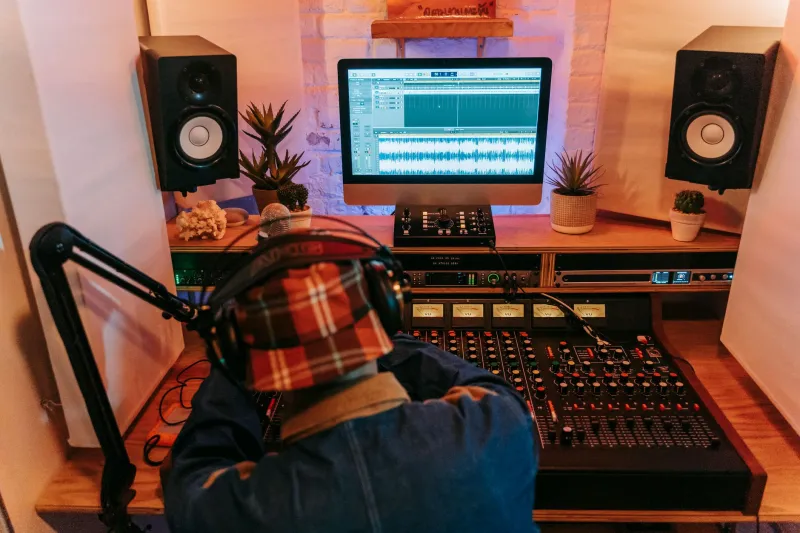
For decades, the producer credit sat quietly in the liner notes. Small text. Easy to miss. While the artist soaked up the applause, the person who actually built the sonic world around them was back in the studio, headphones on, working on the next thing. That was just how it went.
That arrangement? It's officially over.
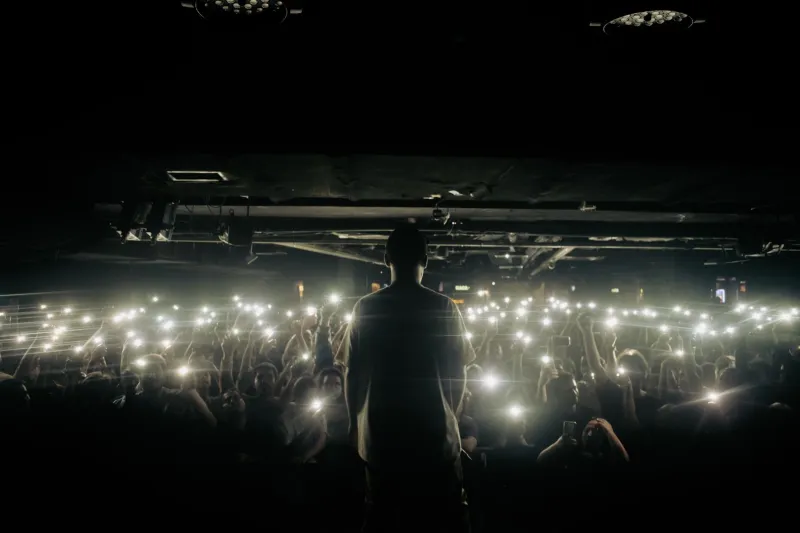
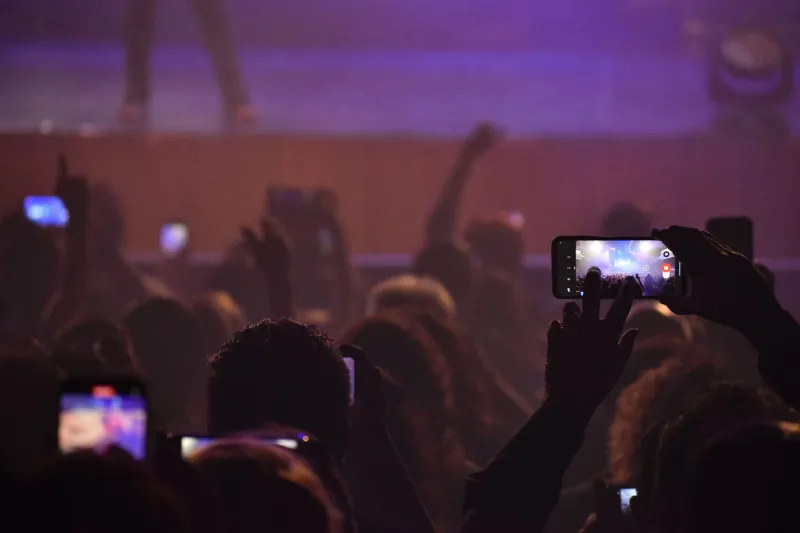
Something shifted in music culture over the last few years, and it's not subtle. Producers — beat-makers, engineers, the people who live inside DAWs and sample libraries — have become genuine stars in their own right. We're not just talking about getting a co-sign or a shoutout. We're talking sold-out shows, brand deals, millions of followers, and record label imprints. The producer glow-up is real, and it's changing what a music career can actually look like.
The Culture Caught Up
This didn't happen overnight, and it wasn't an accident. A handful of factors collided at exactly the right moment to make producers visible in a way they never had been before.
Social media is the big one. Platforms like YouTube, Instagram, and especially TikTok gave producers a direct line to audiences without needing a label, a publicist, or even a signed artist to vouch for them. When a producer posts a beat-making session — fingers flying across a pad controller, samples flipping in real time — it's genuinely compelling content. People watch. They share. They subscribe. The process itself became entertainment.
Then there's the rise of producer tags. If you've listened to any trap or hip-hop in the last decade, you already know what this is. That little audio stamp at the top of a track — "Southside on the beat, ho" or Metro Boomin's iconic intro — trained listeners to pay attention to who made the music, not just who performed it. Those tags became brand identifiers. And once fans started recognizing producer names on sight, the door to real celebrity opened wide.
The Names You Already Know
Let's talk about the people who actually walked through that door.
Metro Boomin is probably the clearest example of a producer who became a superstar on his own terms. His 2022 album Heroes & Villains debuted at number one on the Billboard 200. He wasn't the rapper on those tracks — he was the architect. And fans showed up for him. That's a seismic shift.
Murda Beatz, Pi'erre Bourne, Boi-1da, Mustard — these are names that carry real weight in fan conversations, not just industry ones. Fans debate their catalogs the same way they debate their favorite artists' discographies. And producers like Kaytranada have gone even further, performing their own music live as DJs and producers, headlining festivals and building a lane that's entirely their own.
On the internet-native side, producers like Kenny Beats built their following almost entirely through content. His YouTube series showing real studio sessions with artists turned him into a personality as much as a beat-maker. That personality translated into a devoted fanbase that follows his moves regardless of who he's working with.
The Tools That Made It Possible
Here's the part that's especially exciting for anyone reading this who's got a laptop and a dream: the barrier to entry has basically collapsed.
FL Studio, Ableton, Logic — these are the same tools that Grammy-winning producers use, and they're accessible to anyone willing to learn. Splice and other sample subscription services mean you don't need a massive budget to build a quality sound library. And YouTube tutorials have replaced the need for a mentor with industry connections.
The bedroom studio is no longer a stepping stone. For a lot of producers blowing up right now, the bedroom is the studio. The aesthetic of lo-fi setups and authentic creative spaces actually plays well online. Audiences connect with the realness of it.
Once the music is made, distribution platforms like DistroKid and TuneCore let producers release their own projects without waiting for a label to greenlight anything. Beat marketplaces like BeatStars give producers a storefront where they can sell directly to artists and fans. Some producers are generating six-figure incomes from beat sales alone — before any touring, branding, or label money enters the picture.
The Mindset Shift That Changes Everything
Tool access and platform reach matter, but the biggest shift is psychological. Producers who are winning right now stopped thinking of themselves as service providers and started thinking of themselves as artists with something to say.
That reframe is everything. When you see yourself as an artist, you build a world. You develop an aesthetic. You communicate a vision. You stop waiting for a rapper or singer to validate your work and start building an audience that's there specifically for you.
This also means producers are getting savvier about business. They're negotiating better splits. They're retaining publishing rights. They're building their own imprints and signing artists rather than just working for them. The producer-as-CEO model is very much a thing, and it's producing (no pun intended) some of the most interesting career stories in music right now.
What This Means for the Next Generation
If you're a young producer sitting in your room right now, flipping samples and building patterns, the landscape you're entering is genuinely different from what it was even five years ago. The path to recognition doesn't require you to find an artist who blows up and drags you along with them. You can build your audience first. You can establish your sound, your brand, your story — and then decide who you want to collaborate with and on what terms.
The music industry has always been about leverage. For a long time, producers had very little of it. That's changed. The culture caught up to what producers actually contribute, and the tools and platforms caught up too.
The boards are center stage now. Might as well step up to them.